A First Visit to the Parade Ring: What to Notice
Learn how to identify parade-ring equipment, follow a horse from card to course and watch the pre-race routine without getting in the way.
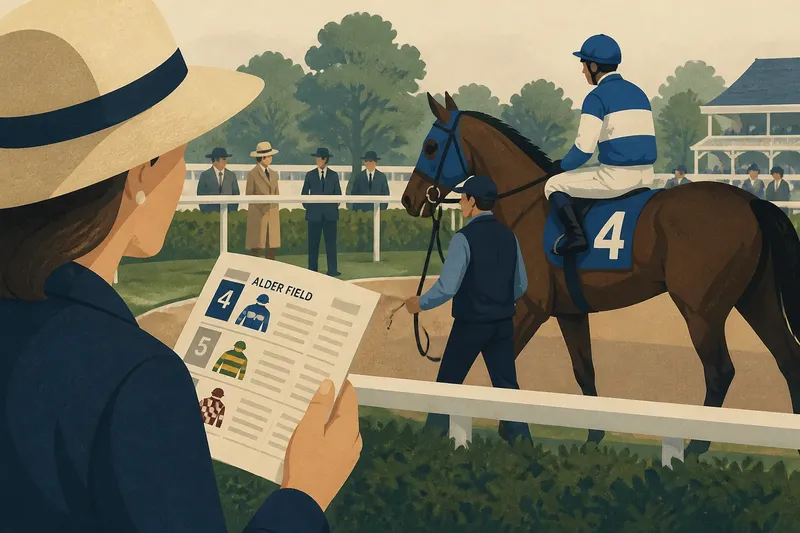
You unfold the race card beside the parade ring and spot a saddlecloth number moving past the rail. A first visit to the parade ring is easier to follow when you know how the horse’s equipment links its card entry to the horse heading towards the course.
Finding your place
Check the racecourse map or ask a steward where spectators may stand. Some rings have an open viewing edge; others reserve much of the space for horses and staff. Choose a clear spot behind the barrier, away from entrances and routes used by handlers.
Keep the card open at the race you are watching. Note the horse’s name and number, then look for that number on its saddlecloth. The cloth is attached beneath the saddle and makes identification easier than coat colour or markings, especially as the field moves away.
Jockey silks provide another visual cue. Once a jockey has mounted, the colours listed on the card can help you follow that runner towards the track. Use the saddlecloth number and silks together if several horses have similar coats.
Recognising the equipment
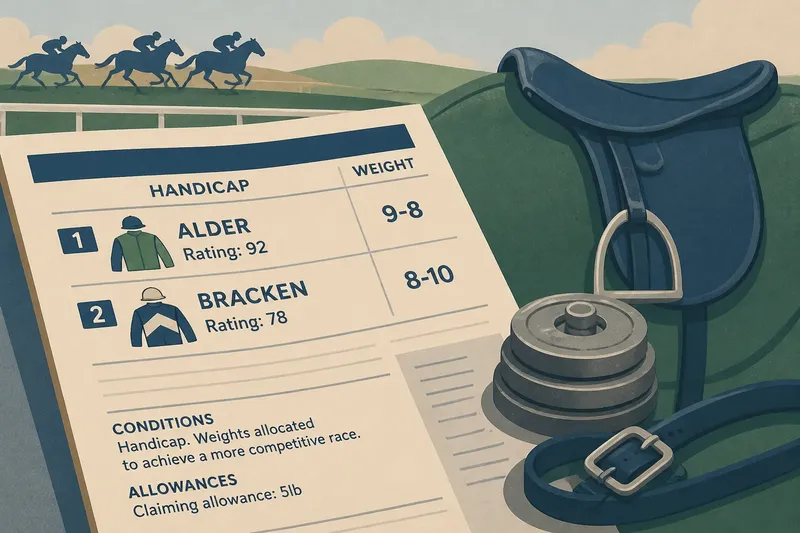
The saddle supports the jockey and is secured with straps around the horse. Its position and fitting are the responsibility of the racing team, not something a spectator should touch or assess. The bridle sits on the horse’s head; its reins allow the handler or jockey to guide the horse.
Some runners also wear items such as blinkers, a hood or a shadow roll. These pieces have particular forms and positions, so consult the race card’s equipment notes or ask course staff if you want to identify an unfamiliar item. A name on a card is more dependable than trying to infer an item’s purpose from a quick glance.
Equipment can help distinguish runners, but it does not offer a simple reading of how a race will go. Focus on what is visible: the number on the cloth, the silks, and any listed headgear. Leave judgements about fit or effect to the people responsible for the horse.
Following one runner
Say you are following the invented horse Alder Field, listed as number four on a race card. First, locate the number four cloth as the horse enters; next, compare the jockey’s silks with the colours printed beside Alder Field’s name. As the pair leave the ring, use those two cues to keep track of them. The result is a clear identification, even if the horse passes behind other runners.
Watch how the equipment remains in place as the horse walks, and notice who is handling the reins. A groom may lead the horse around the ring before the jockey mounts. These are useful details about the pre-race sequence, not an invitation to approach, touch tack or distract the horse.
Questions about equipment?
What is a saddlecloth number?
It is the numbered cloth displayed beneath the saddle to identify a runner. Match the number to the race card rather than relying on a horse’s appearance.
How do I recognise jockey silks?
Silks are the jockey’s racing colours and pattern, shown in the race card for each runner. Compare the card illustration or description with the jockey once mounted.
What are blinkers and hoods?
They are examples of headgear a horse may wear, with different designs and positions on the head. Check the card’s equipment information or ask a steward when you are unsure what you can see.
May I get closer to inspect the tack?
Stay in the public viewing area and do not approach horses or handlers. If a barrier or staff direction marks a boundary, remain behind it and let the racing team manage the equipment.
Leaving the ring
As runners depart, the saddlecloth number may be easier to pick out than a face, while the silks remain visible above the crowd. Follow only routes open to spectators, and allow horses and staff to pass without stepping into their path.
If a runner disappears from view, wait for it to reappear or follow the race from a permitted viewing point. The card remains a useful reference: the horse’s name, number and silks connect the equipment you noticed in the ring with the runner on the course.
For a first visit, keep one practical note beside the race entry, such as “number four, blue-and-white silks, hood listed”. That compact record makes parade-ring equipment easier to recognise next time, while leaving the handling and inspection of tack to the people responsible for the horse.